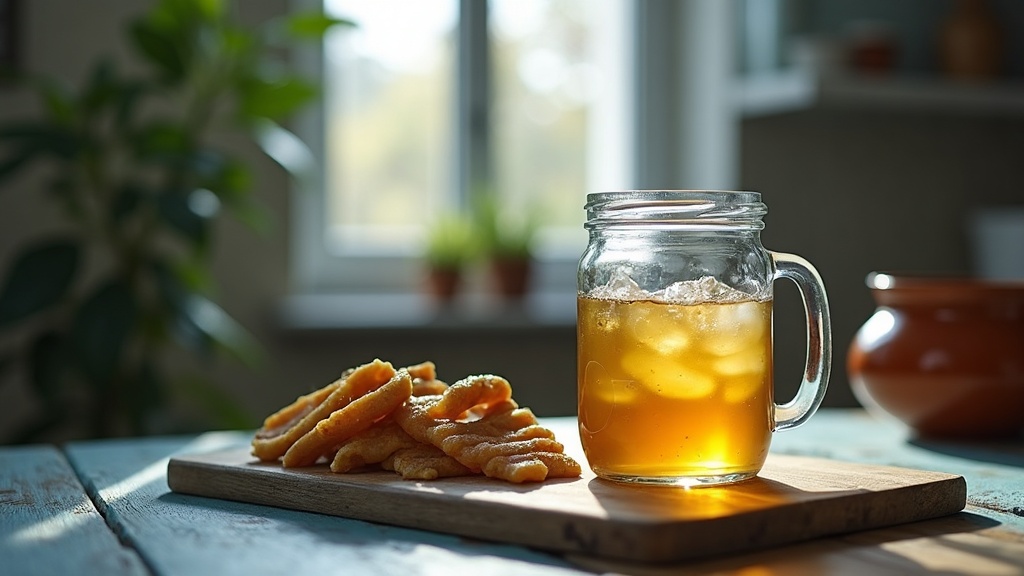
You expect one plate to feel like the next. Reality often has other plans. This short presentation looks at the history of Biblical drink (oil)/ Honey blend in traditional kitchens and the everyday meal habits — like a short walk after eating — that people build around it.
Expectation says one plate is the same as another. Reality tends to disagree — especially in the hours that follow.
You expect steady energy after eating. Instead, many people notice a peak followed by a slump that shows up right when focus matters most.
Waking up should feel like a reset button. For many, it feels more like picking up where yesterday's fatigue left off.
Every article promises the 'right' way to eat. The result isn't clarity — it's a longer list of foods to worry about.
Deciding what goes on the plate, three times a day, adds up. It's less about hunger and more about decision fatigue.
Some kitchen beliefs stick around simply because they sound reasonable. Here’s a closer look at three of the most common.
All carbohydrates behave the same way.
Type, portion, and what they’re paired with all shape how a meal feels afterward — not just the word ‘carb’ on a label.
Fruit should be avoided because it’s sugar.
Whole fruit comes with fiber and water that change how it’s experienced compared to sugar on its own.
‘Diabetic food’ products are automatically a better choice.
A label doesn’t replace reading the ingredient list — some of these products are simply reformulated snacks.
None of this replaces medical guidance — it’s about the small, repeatable choices around eating. Always keep up with your regular care and don’t change any prescribed treatment on your own.
Some people start with vegetables and protein before moving to starches, simply as a matter of habit and pacing.
Eating without rushing gives the body time to register the meal — a habit that has more to do with pace than with any single food.
A brief walk after a meal is a habit many people build into their day — nothing intense, just a change from sitting straight down.
Long before it had a modern name, this combination of oil and honey appeared in old kitchens as a way to make simple meals — bread, grains, roasted vegetables — feel more complete. In many traditional tables, a drizzle of oil finished a dish, and honey found its way into everything from marinades to the last course of a meal. It wasn’t treated as anything more than food: a pairing valued for flavor and for how it made a modest meal feel a little more special.
Understanding where an ingredient comes from is part of understanding food culture — it doesn’t replace guidance from the healthcare professional who knows your history.
If certain meals seem to leave you unusually drained or wired, it's worth describing the pattern to the healthcare provider who follows your care.
Persistent morning fatigue can have many explanations. Bring it up with your doctor rather than guessing at the cause.
Noticeable changes in thirst or appetite are worth mentioning at your next appointment, not something to interpret on your own.
Questions about how meals line up with any prescribed routine should always go to the professional managing your treatment.
If deciding what to eat feels stressful every day, a conversation with a doctor or dietitian can help build a plan that fits your life.
Before adjusting meals, activity, or anything related to a prescribed treatment, check in with your healthcare provider first.
Individual experiences shared here reflect personal routines, not clinical outcomes. Results and experiences vary from person to person; these testimonials are not a guarantee of any particular experience.
Watch the free presentation to learn about its history and how it fits into everyday meals — and remember to keep up with your regular medical care and never change any prescribed treatment without talking to your doctor first.
Advertising Disclosure: This page contains sponsored content and affiliate links. We may receive compensation if you click on or make a purchase through links on this site. This helps support our work but does not influence the educational information presented.
Content Disclaimer: This content is for educational purposes only and has not been evaluated by the FDA. It is not intended to diagnose, treat, cure, or prevent any disease, and it does not replace professional medical advice. Always consult a qualified healthcare professional before changing your diet, routine, or any prescribed treatment.
Results Disclaimer: Individual results and experiences vary from person to person. Testimonials shared on this page reflect personal opinions and routines and are not a guarantee of any particular outcome or experience.
© 2026 · All Rights Reserved